


Applying Reactive Twins to Enhance Monument Information Systems
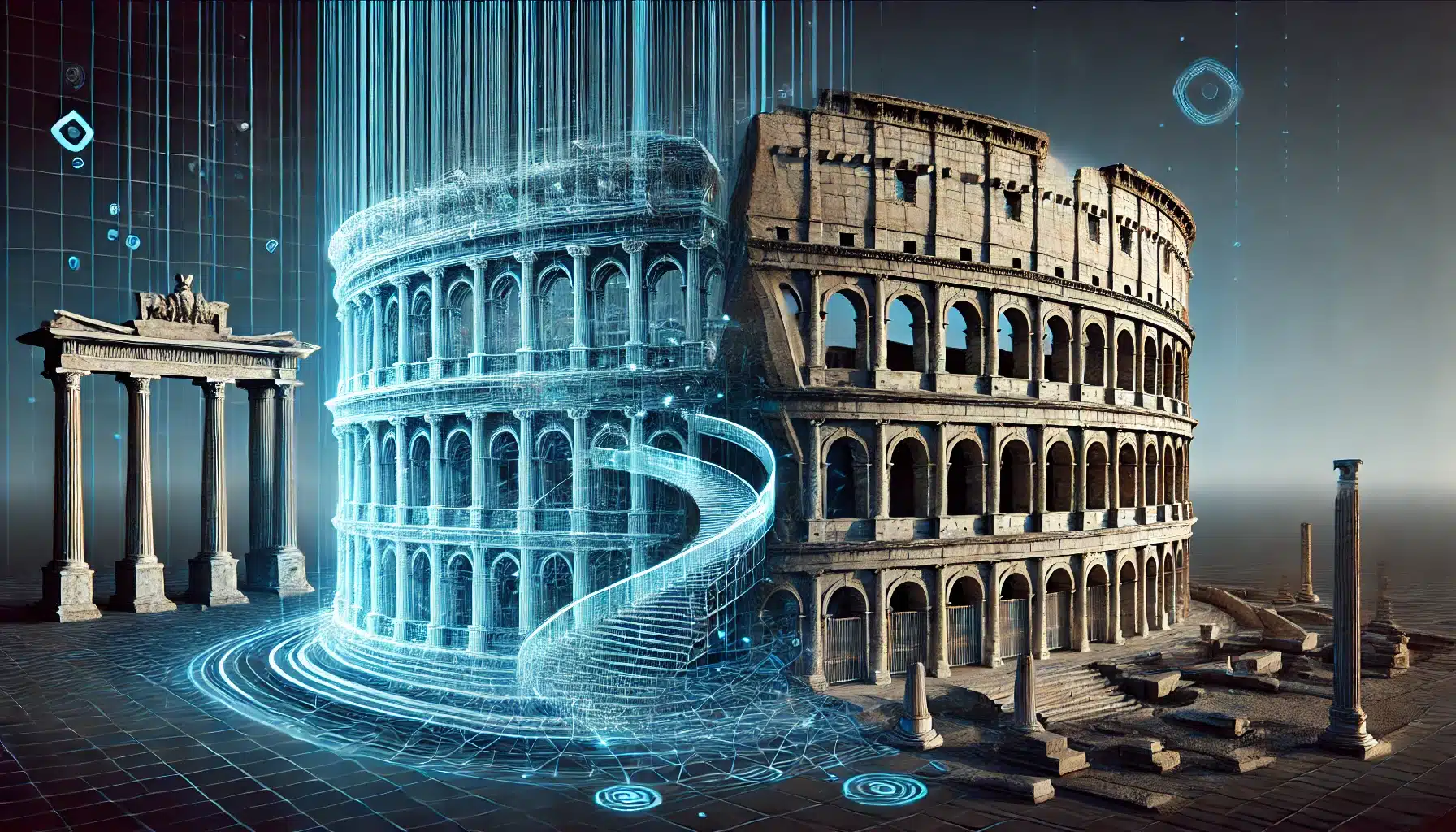
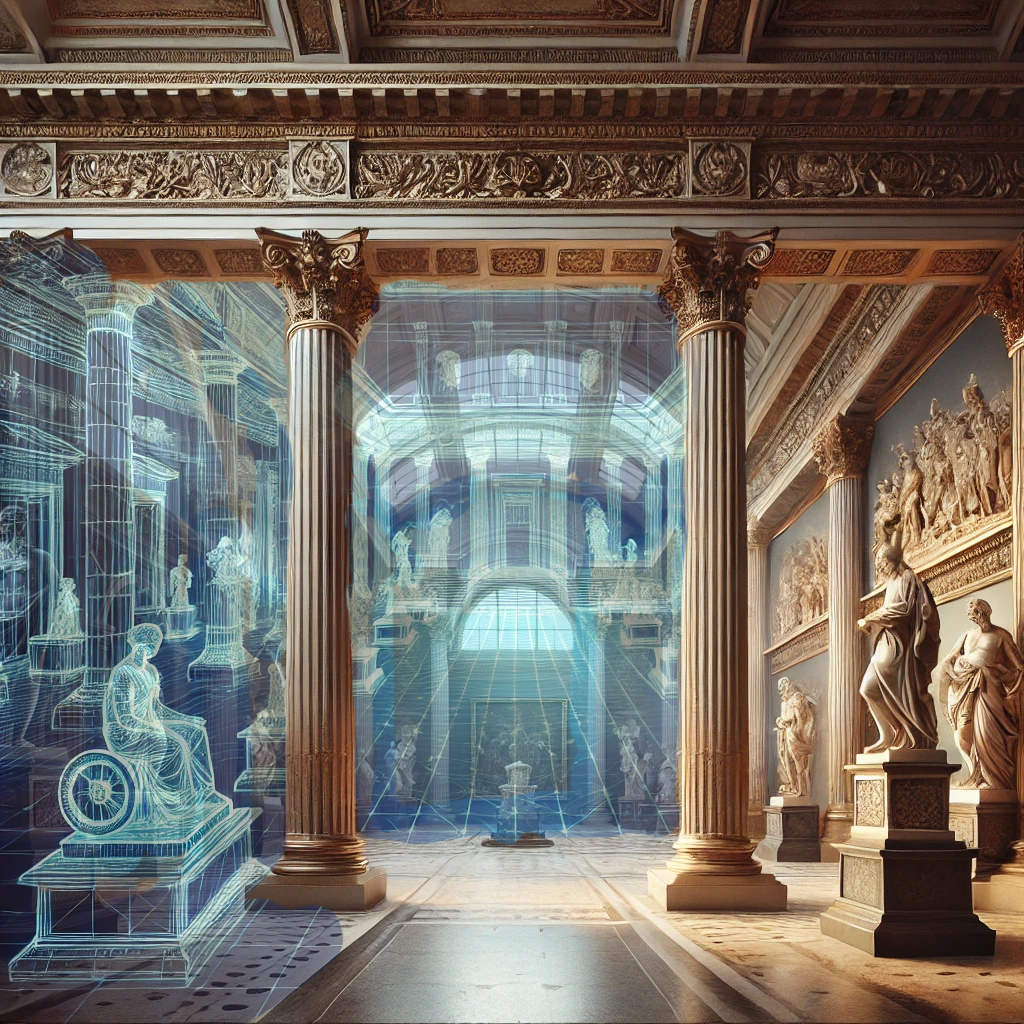
ARTEMIS aims to create a digital infrastructure to support the conservation and restoration of cultural heritage, while leveraging the potential of advanced 3D visualization technologies.
The project is based on the innovative concept of the “Reactive Heritage Digital Twin”,a digital replica of real objects designed to have a transformative impact on European Research Infrastructures.
ARTEMIS will integrate data management systems, providing researchers and professionals with access to a vast repository of over four million scientific and technical reports, combined with advanced visualization and simulation techniques. This will enable virtual restoration experiments, allowing experts to test intervention strategies without physically altering cultural heritage assets.
Although the project primarily targets the scientific and professional community, its ability to simulate and visualize restoration outcomes will also be highly valuable for public decision-makers, enabling them to assess different intervention options in advance.
Ultimately, the general public will also benefit from reduced costs and improved heritage conservation, ensuring the preservation and transmission of cultural treasures to future generations.
The project brings together 22 partners from 12 EU countries,with the involvement of two major restoration centers as affiliated entities.
ARTEMIS is coordinated by CNR-INO,an institute of the Italian National Research Council(CNR) with over 40 years of experience in optical diagnostics applied to cultural heritage.
Smarteducationlab is a partner in the ARTEMIS project and serves as Work Packages 9 and 10 Leader.
For more information, please visit the official ARTEMIS project website.
Visita il sito di progetto

Our Projects
SIMPLe
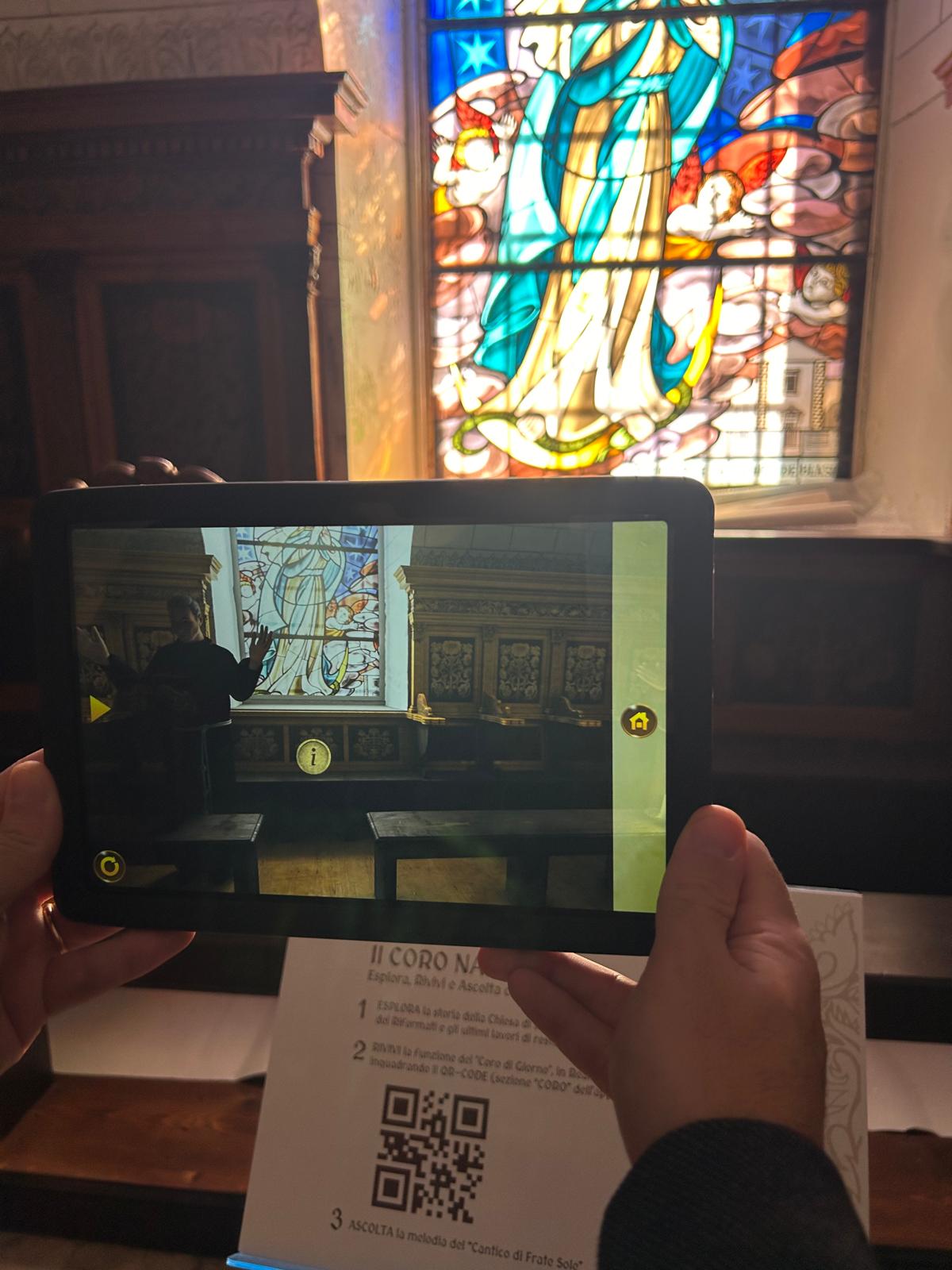
Coro Narrante Lequile
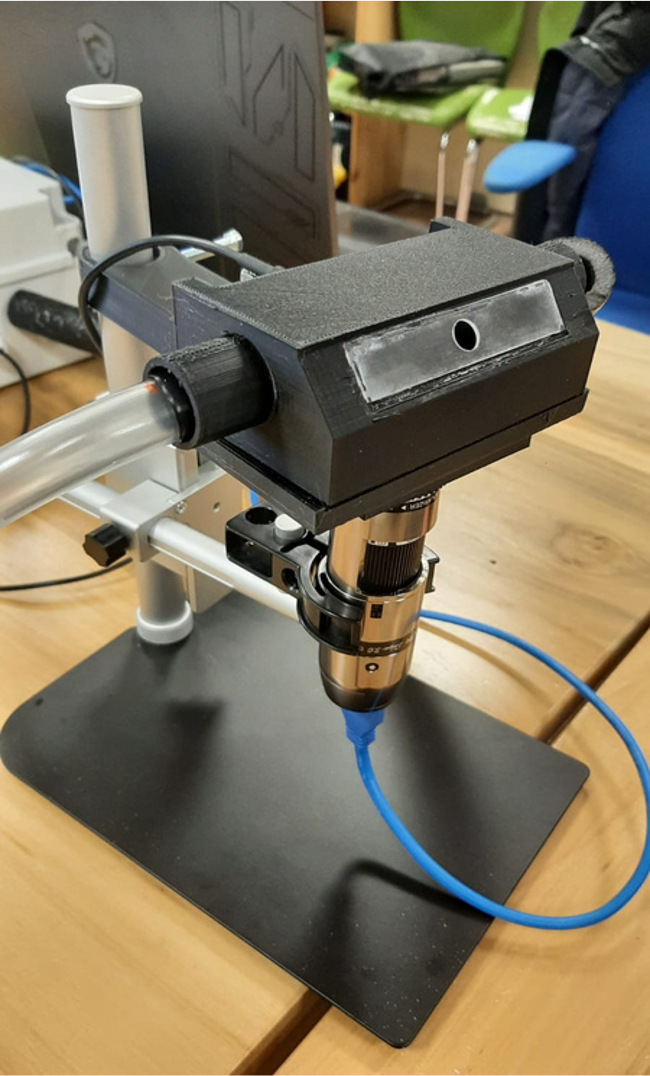
Termostat
Academic and applied research for innovative solutions
Il nostro approccio unisce il rigore scientifico con la creatività progettuale per dare vita a strumenti digitali e sistemi intelligenti che integrano competenze multidisciplinari con le esigenze reali delle comunità e del territorio, generando un impatto misurabile e sostenibile.